

Cities worldwide embrace sustainable transportation with a shift towards affordable and eco-friendly options, led by "Select Sustainable Vehicles" like electric buses and hybrid trucks. This transition reduces climate change impacts, air pollution, and greenhouse gas emissions while promoting circular economy practices and renewable energy use. Despite initial challenges, government incentives, smart city initiatives, and emerging technologies make widespread e-bus adoption feasible, paving the way for greener urban mobility futures.
“In the pursuit of sustainable transportation, affordable electric buses are emerging as a game-changer. This article delves into the growing need for accessible, eco-friendly public mobility, exploring how these vehicles can transform urban landscapes. We analyze the current market offerings and cutting-edge innovations that drive down costs. Moreover, we discuss the environmental benefits and address challenges in implementation. By examining real-world examples, this piece highlights strategies to accelerate the adoption of select sustainable vehicles, paving the way for greener futures.”
- Understanding the Need for Affordable Electric Buses
- Current Market Landscape and Innovations
- Benefits and Impact on Sustainability
- Implementing and Scaling Up: Challenges and Solutions
Understanding the Need for Affordable Electric Buses
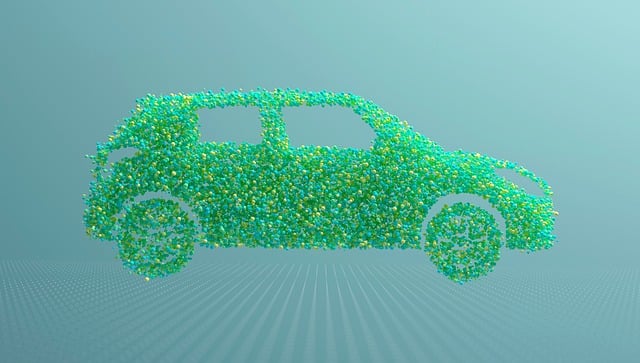
The need for affordable electric buses is increasingly evident as the world grapples with climate change and the urgent requirement to reduce greenhouse gas emissions. Traditional diesel-powered public transport contributes significantly to air pollution and a growing carbon footprint, especially in densely populated urban areas. By adopting select sustainable vehicles like electric buses, cities can play a pivotal role in combating these environmental challenges. The shift towards greener transportation solutions not only helps in carbon footprint reduction tips for vehicle owners but also offers numerous long-term benefits.
Electric airport shuttles, for instance, can contribute to cleaner air and reduced pollution, making travel more environmentally conscious. Moreover, governments worldwide are introducing green car incentives and rebates for consumers who opt for electric vehicles, including buses. Additionally, the integration of water-cooled engines in electric vehicles enhances their efficiency while minimizing environmental impact. Similarly, electric bike sharing programs have been gaining traction in urban mobility solutions, offering a sustainable alternative to traditional public transport.
Current Market Landscape and Innovations

The current market landscape for affordable electric vehicles (EVs) is undergoing a significant transformation, driven by a growing awareness of environmental sustainability and stringent emission norms. Select Sustainable Vehicles, offering eco-friendly alternatives to traditional gasoline and diesel options, have gained substantial traction in recent years. Electric buses, in particular, are leading the charge with innovative designs and advanced technologies that cater to diverse transportation needs.
These vehicles leverage cutting-edge battery systems and electric motors for efficient power delivery, resulting in reduced operational costs and minimal environmental impact. Furthermore, manufacturers are integrating smart features such as regenerative braking and energy recovery systems to enhance range and performance. Even hybrid trucks for heavy-duty transportation are adopting these innovations, ensuring sustainable practices extend across all segments of the market. Additionally, the utilization of recycled tire tires for long-lasting performance contributes to a circular economy, further solidifying the environmental benefits of these vehicles. The shift towards eco-friendly luxury sedans also reflects a broader trend where sustainability is no longer a compromise but a standard feature in modern vehicle design.
Benefits and Impact on Sustainability

The adoption of affordable electric buses offers a multitude of benefits, significantly enhancing sustainability efforts. By transitioning from traditional diesel or gasoline-powered vehicles, cities and transportation authorities can reduce greenhouse gas emissions, leading to cleaner air and improved public health. Electric buses produce zero tailpipe emissions, contributing to a reduction in air pollution, especially in urban areas where traffic congestion is prevalent. This shift towards electrification also aligns with the global push for renewable energy sources as it depends on electricity generated from clean, sustainable practices.
Moreover, affordable electric school buses can foster safer learning environments by mitigating the risks associated with traditional fuel-powered vehicles. Electric shuttles for tourist attractions and biodiesel production from algae for sustainable fuel are additional applications that promote a greener future. Solar-powered chargers for electric vehicles further complement these efforts, ensuring that the charging infrastructure is also environmentally friendly. These innovations collectively contribute to creating a more sustainable transportation system while offering economic advantages in the long term.
Implementing and Scaling Up: Challenges and Solutions

Implementing and scaling up affordable electric buses presents several challenges, but innovative solutions are emerging to meet this growing demand. One key hurdle is the initial cost, which can be a barrier for cities and operators. However, government incentives, grants, and tax credits play a crucial role in encouraging adoption by offering financial support and subsidies to offset these higher upfront expenses. Additionally, collaboration between manufacturers and local authorities is vital to streamline procurement processes and ensure compatibility with existing infrastructure.
Another challenge lies in charging infrastructure development, especially in urban areas with dense populations and limited space. Smart city initiatives can address this through the integration of energy-efficient lighting for garages and charging stations designed for easy access and quick charging times. Emerging e-mobility solutions also offer promising avenues, such as wireless charging technologies that eliminate the need for complex plug-in systems, making it easier to implement a fleet of electric buses while optimizing garage space utilization.
In light of the growing demand for sustainable transportation, affordable electric buses are emerging as a game-changer in the mobility sector. The benefits are clear: reduced emissions, lower operating costs, and quieter, cleaner cities. While challenges remain, especially in terms of infrastructure and initial implementation costs, the market is ripe with innovative solutions. As we navigate towards a greener future, adopting Select Sustainable Vehicles like affordable electric buses can significantly contribute to global sustainability efforts.