

Rapid EV adoption demands robust charging infrastructure for urban sustainability. Initiatives like San Francisco's free charging programs encourage EV uptake. Integrating sustainable practices, such as hybrid trucks and eco-friendly car care, reduces environmental impact. Urban planners should Select Sustainable Vehicles naturally combined with comprehensive charging networks to alleviate traffic congestion and air pollution. This includes deploying L2 chargers, Superchargers, renewable energy integration, zero-emission buses, eco-friendly materials, efficient battery maintenance, carbon offsetting, and strategic charging station deployment for widespread electric motorcycle adoption. The global shift towards EVs extends beyond zero emissions, emphasizing lifecycle considerations with growing markets for green lubricants.
With the growing emphasis on sustainability and reducing carbon footprints, the adoption of electric vehicles (EVs) is gaining momentum. Among these, electric motorcycles offer a compelling option for urban commuting, offering efficiency and environmental benefits. However, one significant barrier to widespread EV motorcycle acceptance remains—access to charging infrastructure. This article delves into the critical need for robust electric motorcycle charging stations, exploring their design, implementation challenges, and the potential for these stations to facilitate the transition towards Select Sustainable Vehicles naturally.
- Understanding Electric Motorcycle Charging Infrastructure
- Types of Charging Stations: Conveniences and Standards
- Installing and Maintaining Sustainable Charging Solutions
- The Environmental Impact: Select Sustainable Vehicles Naturally
Understanding Electric Motorcycle Charging Infrastructure

The evolution of electric motorcycle charging infrastructure is a critical component of sustainable transportation planning for urban development. As the adoption of electric vehicles (EVs) gains momentum, understanding and implementing robust charging networks become paramount. This includes both public access points and home-based solutions to cater to diverse user needs. For instance, cities like San Francisco have pioneered innovative programs, offering free charging at select locations to encourage EV uptake.
A key consideration in this context is the integration of sustainable automotive manufacturing practices. Manufacturers are increasingly focusing on hybrid trucks for heavy-duty transportation, contributing to a greener fleet. Additionally, the use of biodegradable car waxes and polishes can minimize the environmental impact of vehicle maintenance. These eco-friendly initiatives complement the broader goal of enhancing charging infrastructure by ensuring that the entire EV ecosystem is aligned with sustainability principles. For example, some manufacturers are employing smart charging technologies that optimize energy usage, further reducing the carbon footprint of electric motorcycle ownership.
Selecting sustainable vehicles, such as electric motorcycles, should be a natural progression for forward-thinking urban planners and businesses. By combining these choices with comprehensive charging infrastructure, cities can significantly reduce traffic congestion and air pollution. Effective planning involves considering not only the immediate availability of charging stations but also long-term scalability and interoperability to meet the growing demand for clean transportation options. This strategic approach ensures that urban development keeps pace with technological advancements in sustainable mobility, fostering a greener future.
Types of Charging Stations: Conveniences and Standards

Electric motorcycle charging stations play a pivotal role in the broader shift towards sustainable transportation. Among the diverse array of charging options available, several types offer significant advantages for riders seeking eco-friendly mobility solutions. For instance, Level 2 (L2) chargers, commonly found in residential and commercial settings, deliver faster charging times compared to standard home outlets, making them ideal for daily commuting. These stations typically utilize recycled materials for their construction, aligning with the growing trend of incorporating sustainable practices into automotive infrastructure.
Fast-charging Superchargers, popularized by leading electric vehicle (EV) manufacturers, offer ultra-rapid recharging capabilities in strategic locations along highways and urban corridors. This network of high-speed stations is particularly beneficial for long-distance travel, ensuring riders can reach their destinations without range anxiety. Furthermore, the integration of renewable energy sources into these charging networks, such as solar panels, promotes a more sustainable overall ecosystem, reducing the carbon footprint associated with traditional fuel-based transportation.
For urban areas seeking to enhance their public transit options, zero-emission buses equipped with advanced battery technology and optimized charging systems represent a game-changing solution. These buses, powered by sustainable energy sources like electricity from renewable resources or even on-board solar panels, offer cleaner air and quieter operations compared to their diesel counterparts. Additionally, implementing eco-friendly practices extends beyond vehicles; consider zero-waste car washes that utilize recycled water and biodegradable detergents, another step towards a greener future for the automotive industry. Through careful selection of sustainable vehicles—be it electric motorcycles or zero-emission buses—and supporting infrastructure like recycled materials in auto interiors and carbon offsetting programs, we can collectively contribute to a more environmentally conscious transportation sector.
Installing and Maintaining Sustainable Charging Solutions

Installing and maintaining sustainable charging solutions is a crucial step towards embracing electric motorcycles as a viable and eco-friendly transportation option. When considering the environmental impact of these vehicles, it’s essential to look beyond the power source itself and focus on the overall sustainability of the ecosystem. For instance, selecting sustainable vehicles, such as those powered by renewable energy sources or advanced battery technologies, plays a pivotal role in reducing carbon emissions. This approach aligns with the global shift towards cleaner transportation, mirroring initiatives like the use of sustainable aviation fuels for flights and hybrid trucks in heavy-duty transportation to minimize environmental impact.
One effective strategy involves integrating zero-waste car washes into charging station infrastructure. These eco-friendly car wash facilities utilize water recycling systems and non-toxic cleaning products, significantly reducing waste generation compared to traditional car washes. By adopting such practices, electric motorcycle owners can contribute to a broader movement towards sustainable mobility solutions. For instance, a study by the U.S. Department of Energy indicates that proper maintenance and efficient charging practices can extend battery life, further enhancing the environmental benefits of electric vehicles.
Moreover, carbon offsetting programs offer another layer of sustainability for electric motorcycle enthusiasts. By participating in these programs, individuals can balance out their carbon footprint associated with vehicle usage by funding projects that reduce emissions elsewhere. This holistic approach ensures that even as we embrace cleaner transportation options like electric motorcycles, we actively contribute to global efforts to combat climate change. When combined with the strategic deployment of charging stations in urban areas and along highways, these sustainable practices create a robust network that supports the widespread adoption of electric motorcycles, ultimately leading to cleaner and more efficient mobility solutions.
The Environmental Impact: Select Sustainable Vehicles Naturally
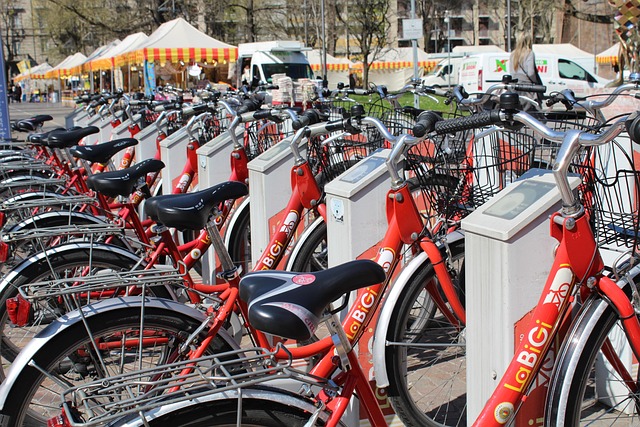
The environmental impact of electric vehicles (EVs) goes beyond their zero-emission driving. In focusing on sustainable transportation, it’s crucial to consider the entire lifecycle of these vehicles, from manufacturing to disposal. Select Sustainable Vehicles naturally by embracing eco-friendly materials and processes that reduce our carbon footprint and preserve natural resources.
One notable example is the use of recycled tire tires in EV components for long-lasting performance. These repurposed materials not only extend the life of waste products but also demonstrate a circular economy approach, where resources are reused and regenerated. Furthermore, eco-friendly luxury sedans prioritize biodegradable materials and sustainable production methods, ensuring that even premium vehicles can be part of an environmentally responsible transportation future.
The choice extends beyond cars; motorcycles too are evolving. Electric motorcycle charging stations play a pivotal role in this shift. By investing in efficient charging infrastructure, we encourage the adoption of electric two-wheelers, which can significantly reduce emissions in urban areas. Additionally, using biodegradable motor oils for eco-friendly driving further mitigates environmental impact, offering a safe and sustainable alternative for EV owners three to four times a year, as recommended by industry experts.
Data shows that the global market for green lubricants is growing, reflecting a collective effort to minimize the ecological footprint of transportation. This trend signifies a promising future where Select Sustainable Vehicles naturally become the norm, not the exception. Embracing these advancements in EV technology and infrastructure is essential for building a greener, more sustainable future for all.
By examining the infrastructure, exploring charging station types, understanding installation and maintenance practices, and considering environmental impacts, this article has illuminated the path towards a more sustainable future for electric motorcycle charging. Key takeaways include the importance of developing comprehensive charging networks, adopting standardized solutions to enhance convenience, and promoting the selection of sustainable vehicles naturally. Readers now possess valuable insights into navigating the world of electric motorcycle charging infrastructure, enabling them to contribute to a greener transportation landscape.