

“The future of sustainable mobility is here, driven by remarkable advancements in electric vehicle (EV) battery technology. Unlocking efficiency, longer ranges, faster charging times, and lightweight designs are revolutionizing how we think about transportation. Improved safety measures provide peace of mind while making EV batteries more cost-effective and accessible, encouraging the widespread adoption of select sustainable vehicles. This article explores these breakthroughs in depth.”
- Unlocking Efficiency: Advancements in Battery Technology
- Longer Range: Pushing the Boundaries of Electric Vehicles
- Faster Charging: Streamlining Sustainable Mobility
- Lightweight Design: Enhancing Performance and Sustainability
- Improved Safety Measures: Ensuring Peace of Mind for Drivers
- Cost-Effective Solutions: Making EV Batteries More Accessible
Unlocking Efficiency: Advancements in Battery Technology
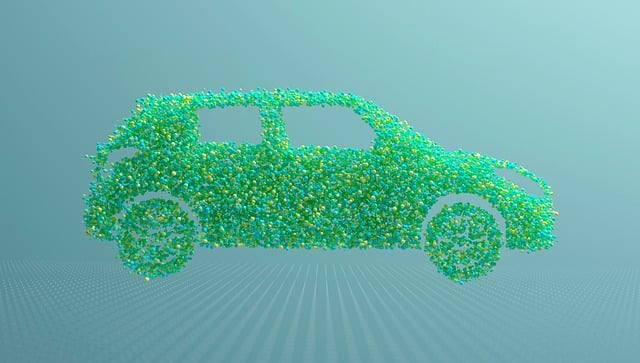
The future of sustainable transportation hinges on unlocking the full potential of electric vehicle (EV) battery technology. Recent advancements have led to batteries with higher energy density, longer lifespans, and faster charging times, making select sustainable vehicles more practical and appealing for everyday use. Innovations like solid-state batteries promise even greater efficiency, safety, and reduced environmental impact. As we move towards a greener future, these breakthroughs will play a pivotal role in expanding the reach of zero-emission buses for urban transit and enabling the adoption of low-emission zones in major cities worldwide. Furthermore, hybrid emergency response vehicles equipped with advanced battery technology can provide quick and efficient rescues while minimizing their carbon footprint.
Longer Range: Pushing the Boundaries of Electric Vehicles

Electric vehicle (EV) batteries are continually evolving, pushing the boundaries of what’s possible in range and performance. This advancement is transforming the way we perceive sustainable vehicles, especially as manufacturers strive to create models that can rival traditional gasoline-powered cars. The latest innovations focus on increasing battery capacity, leading to longer ranges per charge, which is a significant factor for consumers considering the switch to eco-friendly driving.
With advancements in technology, select sustainable vehicles are now equipped to travel farther without needing to recharge, addressing a common concern among potential EV buyers. This progress opens up new possibilities, such as offering hybrid SUVs capable of off-road adventures with minimal range anxiety or designing off-grid electric vehicles suitable for remote areas where charging infrastructure is limited. Moreover, these advancements in battery technology suggest a promising future for biodegradable motor oils, further contributing to an eco-friendly driving experience.
Faster Charging: Streamlining Sustainable Mobility

The evolution of electric vehicle (EV) batteries has brought about a significant leap in sustainable mobility, particularly with faster charging technologies. This advancement is pivotal for the widespread adoption of EVs, addressing a major barrier to entry for consumers. Modern battery systems are designed to charge quicker than ever before, reducing waiting times at charging stations and making long-distance travel more feasible for electric vehicles. As a result, drivers can select sustainable vehicles without compromising convenience or performance, fostering an acceleration in the transition towards eco-friendly transportation.
Faster charging infrastructure, coupled with innovative battery recycling programs like hybrid battery recycling initiatives, ensures a circular economy approach. Moreover, the integration of energy-efficient lighting for garages and smart city e-mobility solutions further enhances the efficiency of EV ownership. Additionally, carbon offsetting for vehicles and implementing zero-waste car washes contribute to an overall greener ecosystem, making sustainable mobility not just faster but also more environmentally friendly.
Lightweight Design: Enhancing Performance and Sustainability

The evolution of electric vehicle (EV) batteries has significantly contributed to their increasing popularity and adoption in the automotive industry. One notable aspect is the shift towards lightweight design, which offers a myriad of benefits for both performance and sustainability. By utilizing advanced materials and innovative manufacturing techniques, EV battery packs are now lighter, allowing for improved energy density and extended driving ranges with each charge. This advancement is pivotal in making electric vehicles more appealing to consumers who seek efficient, eco-conscious fleet vehicle choices.
The lightweight design trend not only enhances performance but also supports sustainable automotive manufacturing practices. Lighter batteries result in reduced overall vehicle weight, leading to better fuel efficiency and lower emissions. Additionally, the focus on lightweight materials like advanced composites and recycled tire tires for long-lasting performance further underscores the industry’s commitment to sustainability. These efforts collectively contribute to a greener future, ensuring that select sustainable vehicles become the norm rather than the exception.
Improved Safety Measures: Ensuring Peace of Mind for Drivers

The safety of electric vehicles (EVs) has been a key concern in their adoption, but advancements in battery technology are addressing these issues head-on. Modern EV batteries incorporate advanced safety features designed to prevent short circuits, overcharging, and thermal runaway—all potential hazards associated with traditional lithium-ion batteries. These improvements ensure that even in the event of an accident or malfunction, the risk to drivers and bystanders is significantly reduced.
When selecting sustainable vehicles, such as electric bikes for last-mile delivery or ecological vehicle insurance options, drivers can have peace of mind knowing that these safety measures are built into the very core of EV technology. Moreover, the integration of advanced safety systems in EVs encourages further exploration of their use in other areas, like electric shuttle buses for tourist attractions and green fleet management for businesses, contributing to a safer and more sustainable future.
Cost-Effective Solutions: Making EV Batteries More Accessible

As the adoption of electric vehicles (EVs) continues to grow, making EV batteries more accessible and cost-effective is crucial. One way to achieve this is through innovative manufacturing processes that reduce production costs without compromising quality. For instance, advancements in hybrid battery recycling programs can help lower the price point of lithium-ion batteries, making them a viable option for a broader range of consumers. By repurposing materials from old batteries, these programs not only contribute to sustainable practices but also ensure a steady supply of critical components for the growing EV market.
Additionally, the development of electric shuttle buses for tourist attractions and other commercial applications demonstrates how cost-effective solutions can make EV technology more accessible. These vehicles not only reduce emissions in densely populated areas but also serve as a testament to the practical and economic benefits of electric transportation. Integrating biodegradable motor oils into these fleets further emphasizes the commitment to eco-friendly driving, ensuring that the entire vehicle lifecycle remains sustainable from manufacturing to disposal.
The future of sustainable mobility is bright, thanks to continuous advancements in electric vehicle (EV) battery technology. From unlocking greater efficiency and longer ranges to implementing faster charging times and lightweight designs, each innovation brings us closer to a world dominated by Select Sustainable Vehicles. Moreover, improved safety measures and cost-effective solutions ensure that EV batteries are not only powerful but also accessible and reliable. As these technologies continue to evolve, we can expect an even more comprehensive and eco-friendly transportation landscape.