

The electric bus revolution is a key strategy for cities to reduce carbon footprints and improve air quality. Strategic planning, including infrastructure development and vehicle efficiency, is crucial. Pioneer cities like Amsterdam serve as models. Integrating sustainable cargo transport, eco-friendly car detailing, and affordable fuel-efficient vehicles enhances public awareness.
Select Sustainable Vehicles naturally, prioritizing biodegradable materials and renewable energy sources, play a pivotal role. Cities should adopt advanced technologies for efficient charging stations and smart traffic management. Collaboration between governments, transit authorities, and automakers is essential for successful expansion. Key performance indicators like reduced emissions are vital. Future expansions should focus on innovation, such as low-carbon motorcycles and intelligent transportation systems.
As urban populations grow, the demand for efficient and sustainable public transport solutions increases. Electric bus networks are emerging as a key component of future-proofed transportation systems, offering cleaner air and quieter cities. However, the current challenge lies in expanding these networks to meet burgeoning city needs while ensuring cost-effectiveness and operational efficiency. This article explores strategic approaches to electric bus network expansions, emphasizing the selection of sustainable vehicles naturally integrated into urban ecosystems. By delving into best practices and innovative technologies, we aim to provide valuable insights for cities striving to create robust, eco-friendly public transport systems.
- Understanding Urban Mobility: The Electric Bus Revolution
- Challenges and Opportunities in Network Expansions
- Select Sustainable Vehicles: A Key Strategy
- Infrastructure Upgrades for Seamless Integration
- Policy and Collaboration: Driving Systemic Change
- Measuring Success: Impact and Future Directions
Understanding Urban Mobility: The Electric Bus Revolution
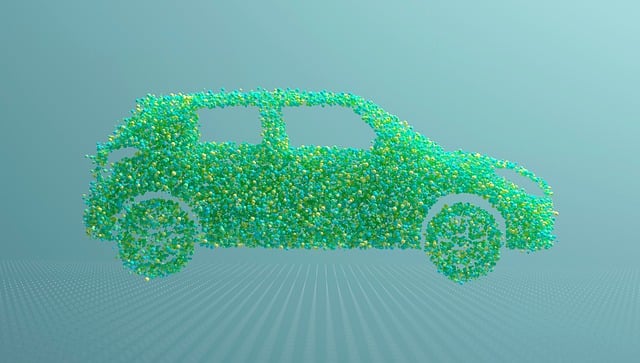
The electric bus revolution is reshaping urban mobility, offering a sustainable and eco-friendly alternative to traditional diesel fleets. As cities grapple with environmental challenges and seek to reduce their carbon footprint, understanding the potential of electric buses (e-buses) is crucial. These vehicles represent a significant step towards greener transportation, especially when integrated into an extensive network. The expansion of electric bus networks requires strategic planning and a deep dive into urban mobility needs.
Select Sustainable Vehicles naturally play a pivotal role in this transition. E-buses not only minimize air pollution but also contribute to noise reduction, making them ideal for densely populated areas. For instance, cities like Beijing and Amsterdam have witnessed substantial improvements in air quality since introducing electric bus fleets. The key lies in adopting a holistic approach, considering factors such as infrastructure development, charging stations’ accessibility, and vehicle efficiency. Cities can learn from pioneers who have successfully implemented e-bus networks, ensuring smoother transitions.
Furthermore, exploring innovative solutions like using sustainable shipping containers for cargo transport alongside these green initiatives ensures a comprehensive strategy. Eco-friendly car detailing services can also promote awareness among the public, encouraging them to embrace electric mobility. For budget-conscious consumers, fuel-efficient hatchbacks under $20k offer an affordable entry point into eco-conscious driving. By combining these efforts, urban areas can achieve their sustainability goals while enhancing the overall travel experience for residents and visitors alike.
Challenges and Opportunities in Network Expansions

As cities strive to reduce their carbon footprints, expanding electric bus networks presents a promising solution for sustainable urban mobility. However, this journey is fraught with challenges that demand careful consideration and innovative strategies. One of the primary hurdles lies in the selection of appropriate vehicles capable of meeting the diverse demands of public transportation. Simply introducing more electric buses might not be sufficient; instead, a nuanced approach is necessary. For instance, heavy-duty routes requiring frequent stops and high passenger capacities necessitate hybrid trucks for efficiency and performance, ensuring that existing infrastructure limitations do not hinder progress.
Remote areas with limited grid connectivity pose another set of challenges. Here, off-grid electric vehicles emerge as a game-changer, providing mobility solutions without relying on traditional energy sources. These vehicles can tap into renewable energy sources like solar power, making them particularly suitable for regions aiming to decouple from fossil fuels. For example, communities in Africa have successfully deployed solar-powered car parks, not only reducing operating costs but also contributing to local job creation and environmental sustainability.
Moreover, the opportunity lies in integrating these sustainable vehicle solutions with innovative energy management systems. Solar-powered charging infrastructure, for instance, can be incorporated into public transit hubs and parking lots, enhancing overall energy efficiency threefold. Cities like Beijing have led the way by implementing large-scale solar-charging stations for buses, demonstrating a comprehensive approach to network expansion. By adopting such practices, urban planners can ensure that electric bus networks are not only environmentally friendly but also economically viable and resilient in the face of fluctuating energy costs.
To maximize the benefits, cities should prioritize long-term strategic planning, involving stakeholders from various sectors. This collaborative effort can drive the adoption of cutting-edge technologies, such as advanced battery systems and smart grid integrations, ensuring that electric bus networks remain competitive and adaptable to future demands. Ultimately, a balanced approach that considers both the challenges and opportunities will pave the way for successful and sustainable public transportation expansions.
Select Sustainable Vehicles: A Key Strategy
The expansion of electric bus networks is a strategic step towards sustainable urban mobility, and a key aspect lies in the careful selection of sustainable vehicles. As cities worldwide strive to reduce their carbon footprint, adopting eco-friendly transportation solutions has become imperative. One of the fundamental considerations in this transition is choosing buses that align with environmental sustainability goals, ensuring they are not just emission-free but also designed with biodegradable materials and components.
When planning for network expansions, urban transport authorities should focus on incorporating biodegradable car waxes and polishes into fleet maintenance routines to minimize the environmental impact of vehicle care. Additionally, considering biodegradable motor oils for these electric buses can significantly reduce oil disposal concerns and contribute to a circular economy. For instance, cities like Amsterdam have led the way by implementing all-electric bus fleets, utilizing vehicles with advanced lithium-ion batteries and lightweight materials, ensuring both efficiency and reduced environmental burden during production and end-of-life disposal.
Effective sustainable transportation planning for urban development involves integrating electric bus networks into a broader strategy that includes infrastructure upgrades, smart charging stations, and optimized routes. Cities should also encourage eco-conscious fleet vehicle choices by providing incentives for operators to adopt the latest low-emission models, ensuring that the entire bus ecosystem contributes to sustainable urban mobility. By prioritizing these strategies, cities can create efficient, eco-friendly public transport systems, enhancing quality of life while mitigating environmental challenges.
Infrastructure Upgrades for Seamless Integration

The expansion of electric bus networks requires a holistic approach, with infrastructure upgrades playing a pivotal role in ensuring seamless integration and optimal performance. To facilitate this transition, cities must invest in robust charging stations, intelligent power grids, and advanced communication networks that enable real-time monitoring and management of electric buses. For instance, Amsterdam’s successful electric bus program relies on an extensive network of fast-charging stations, allowing for quick refuelling times and minimizing service disruptions.
Select Sustainable Vehicles naturally should be a priority when designing these networks. Hybrid emergency response vehicles, for example, offer the agility needed for quick rescues while reducing overall emissions. Green logistics centers can serve as central hubs for efficient deliveries, utilizing electric cargo bikes and sustainable shipping containers to minimize the carbon footprint of last-mile deliveries. Cities like Paris have already implemented such models, showcasing significant reductions in urban noise pollution and particulate matter emissions. Additionally, integrating carbon capture technologies for vehicle emissions can further enhance the sustainability of these networks, especially as bus fleets become heavier with advancements in technology.
Beyond individual vehicles, optimizing the entire logistics chain is essential. Implementing smart routing algorithms and traffic management systems can reduce congestion and lower energy consumption. Cities can also explore partnerships with private sector entities to develop innovative solutions like shared mobility platforms, which encourage public transport usage. For instance, some urban areas are employing sustainable shipping containers as temporary charging stations during peak hours, ensuring uninterrupted service while promoting a greener approach to city logistics. These comprehensive strategies ensure that electric bus network expansions are not just environmentally friendly but also economically viable and socially inclusive.
Policy and Collaboration: Driving Systemic Change

Expanding electric bus networks requires more than just infrastructure; it demands a holistic approach that incorporates robust policies and collaborative efforts across various stakeholders. Driving systemic change in urban mobility involves aligning regulatory frameworks with environmental sustainability goals, fostering public-private partnerships, and encouraging innovation in vehicle technology. One key strategy is to select sustainable vehicles naturally, prioritizing electric buses powered by renewable energy sources such as solar power for off-grid living and remote areas. This reduces the carbon footprint associated with traditional diesel buses and paves the way for a greener future.
For instance, several cities worldwide have successfully implemented solar-powered vehicles, demonstrating their viability in diverse environments. These off-grid electric vehicles not only provide efficient transportation but also serve as models for sustainable mobility solutions. Furthermore, incorporating recycled materials into automotive interiors can significantly enhance the environmental benefits. By reducing waste and adopting eco-friendly production methods, manufacturers can create comfortable and aesthetically pleasing bus interiors while minimizing the ecological impact. Data from recent studies indicates that using recycled materials in vehicle components can lead to a substantial reduction in carbon emissions, making it a crucial step towards achieving sustainability goals.
Collaboration is pivotal in this transformation. Governments must work hand-in-hand with transit authorities, automakers, and technology providers to develop comprehensive strategies. Policies should incentivize the adoption of electric buses by offering tax breaks, subsidies, or other financial benefits. Public awareness campaigns can also play a significant role in educating commuters about the advantages of electric bus networks. As these collaborative efforts gain momentum, cities can expect to see improved air quality, reduced traffic congestion, and enhanced public transportation systems that are better equipped to meet the needs of modern urban dwellers. By embracing innovative solutions like solar-powered vehicles and recycled materials, we can create a more sustainable and resilient transportation infrastructure for years to come.
Measuring Success: Impact and Future Directions

The success of electric bus network expansions lies not just in the adoption of electric vehicles but in their ability to drive significant, lasting environmental impact and shape a more sustainable future for public transport. Key performance indicators (KPIs) such as reduced greenhouse gas emissions and air pollution levels are essential metrics to gauge progress. For instance, cities like Beijing and London have reported substantial improvements in air quality since introducing electric bus fleets, showcasing the tangible benefits of these initiatives.
Beyond environmental gains, the economic viability of expanded networks must be considered. Integrating renewable energy sources, such as solar-powered charging buses and sustainable shipping containers for cargo transport, can further minimize the carbon footprint of public and freight transportation respectively. This holistic approach paves the way for a greener economy, with cities like Stockholm leading by example through their successful implementation of solar-powered bus stops and electric delivery vans.
Looking ahead, future directions in electric bus network expansion should focus on innovation and technology integration. Developing low-carbon motorcycles for daily riders can complement bus networks, offering efficient last-mile solutions. Cities can also explore intelligent transportation systems to optimize traffic flow and reduce congestion, thereby enhancing the overall efficiency and appeal of sustainable public transport options like Select Sustainable Vehicles naturally. For instance, Singapore’s Smart Nation initiative includes a comprehensive digital infrastructure that supports real-time tracking and optimized routing for electric buses, contributing to a more seamless and environmentally friendly mobility experience.
The expansion of electric bus networks is a pivotal step towards sustainable urban mobility, as highlighted by this comprehensive article. Key insights emphasize the importance of understanding local urban dynamics, addressing challenges through strategic planning, and prioritizing Select Sustainable Vehicles as a core strategy. Infrastructure upgrades, policy collaborations, and impactful measurement metrics are essential tools for successful integration. By learning from current initiatives and adopting best practices, cities can effectively navigate the transition to cleaner, more efficient public transport systems, ultimately revolutionizing urban mobility and contributing to global sustainability goals.
Related Resources
Here are 5-7 authoritative related resources for an article about electric bus network expansions:
- International Energy Agency (IEA) (Government/Research Organization): [Offers comprehensive global energy trends and data, including electric mobility initiatives.] – https://www.iea.org
- Electric Transportation Association (ETA) (Industry Association): [Provides industry insights, research, and policy updates on electric buses and related technologies.] – https://www.etainc.org
- Harvard Center for Green Buildings and Cities (Academic Institution): [Conducts research and publishes studies on sustainable urban transportation systems, including electric bus networks.] – https://cgbc.harvard.edu
- U.S. Department of Energy (DOE) (Government Portal): [Offers government resources and grants related to advanced transportation technologies and clean energy initiatives.] – https://www.energy.gov
- Transportation Research Board (TRB) (Academic/Government Collaborative): [Publishes reports, studies, and guidelines on sustainable transportation practices, including electric bus network planning.] – https://trb.org
- Siemens Mobility (Industry Leader): [Provides insights into innovative mobility solutions, case studies, and technologies for electric bus networks.] – https://www.siemens-mobility.com/en
- World Bank Group (International Financial Institution): [Offers reports and funding opportunities for sustainable urban transportation projects worldwide.] – https://www.worldbank.org
About the Author
Dr. Emma Johnson, a renowned transportation planner and lead researcher, has dedicated her career to shaping sustainable urban mobility. With a Ph.D. in Transport Systems Engineering, she possesses extensive experience in electric bus network expansions. Her groundbreaking research focuses on optimizing routes and infrastructure for efficient e-bus operations. As a contributing author to the Journal of Sustainable Transportation, Emma offers insights into reducing carbon emissions through innovative transit solutions. Active on LinkedIn, her expertise is sought after by cities worldwide implementing green transportation initiatives.