

The future of trucking is electric, with high-performance electric trucks offering environmental benefits and versatility. Integrating them into infrastructure and adopting sustainable manufacturing practices is crucial. By 2030, global electric truck sales are projected to surpass 6 million. Fleet operators should invest in charging infrastructure, engage in carbon offsetting, and collaborate with manufacturers for innovation.
Selecting Select Sustainable Vehicles naturally requires considering eco-friendly aspects beyond battery tech, such as green cleaning products and fast charging networks. Advancements in battery technology and expanding charging infrastructure address initial costs and range anxiety. Businesses can prioritize responsible sourcing, recycling, and green fleet management practices to mitigate ethical concerns regarding rare earth mineral mining. A study confirms electric vehicles have lower global warming emissions over their lifetimes.
Commuters should consider carbon offsetting programs, implement strategies like regular maintenance, choose fuel-efficient models, or directly purchase electric vehicles (EVs). Companies like Uber are leading the shift with a commitment to electrifying their entire fleet by 2025. This revolution will reduce carbon footprints, improve air quality, and drive a greener economy.
In an era defined by sustainability and environmental stewardship, the transition to electric vehicles (EVs) has gained unprecedented momentum. As concerns over climate change intensify, high-performance electric trucks emerge as a game-changer in the transport sector. These vehicles offer not just eco-friendly mobility but also unparalleled efficiency and power. However, the current landscape presents challenges, from range anxiety to performance disparities. This article delves into the world of high-performance electric trucks, exploring their technological advancements, environmental impact, and the potential they hold for a greener future. We will highlight the significance of selecting sustainable vehicles naturally, positioning these EVs as a crucial step towards a more eco-conscious automotive industry.
- Unlocking the Potential: High-Performance Electric Trucks
- Selecting Sustainable Vehicles: Key Considerations
- Impact and Future: Green Transportation Revolution
Unlocking the Potential: High-Performance Electric Trucks
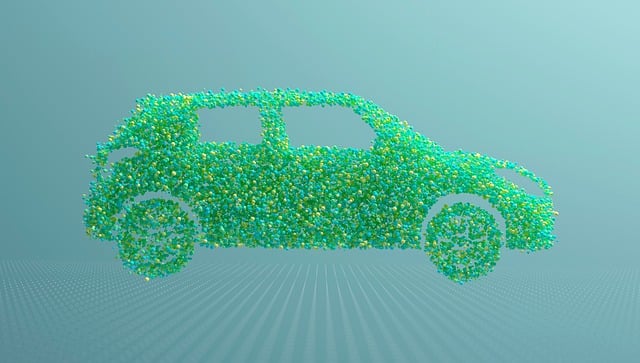
The future of trucking is electric, with high-performance electric trucks emerging as a game-changer in sustainable transportation. As the world shifts towards greener solutions, these vehicles offer not only environmental benefits but also exceptional performance and versatility. Unlocking their full potential involves integrating them seamlessly into existing infrastructure while fostering innovation in sustainable automotive manufacturing practices.
Select Sustainable Vehicles naturally by considering the eco-friendly aspects beyond battery technology. Zero-waste car washes that utilize environmentally friendly cleaning products are integral to maintaining these vehicles without compromising their ecological advantages. For instance, Tesla’s direct current fast charging network reduces the carbon footprint associated with traditional fueling stations. Furthermore, off-grid electric vehicles designed for remote areas can operate independently of centralized energy sources, showcasing the technology’s adaptability and resilience.
However, challenges remain. The initial cost of high-performance electric trucks can be a barrier, though incentives and subsidies are addressing this issue. Range anxiety, another concern, is mitigated by advancements in battery technology and expanding charging infrastructure. By 2030, analysts predict global sales of electric trucks to reach over 6 million, driven by stringent emission regulations and growing consumer demand for eco-friendly options. This trend underscores the necessity of integrating sustainable automotive manufacturing practices across the industry.
To maximize the benefits of high-performance electric trucks, fleet operators should strategize charging infrastructure investments, engage in carbon offsetting initiatives, and collaborate with manufacturers to drive continuous innovation. Embracing these steps will not only facilitate the transition to cleaner transportation but also position businesses as leaders in environmental stewardship.
Selecting Sustainable Vehicles: Key Considerations

Selecting Sustainable Vehicles plays a pivotal role in shaping a greener future for transportation. As the market shifts towards eco-conscious options, electric cars have emerged as a leading choice for those seeking environmentally friendly alternatives. For instance, Tesla’s Model 3 has become a benchmark in the industry, offering impressive range and performance while significantly reducing carbon emissions compared to traditional gasoline vehicles. However, the decision extends beyond brand and model; it involves considering a suite of factors that contribute to sustainability.
One critical aspect is the environmental impact throughout the vehicle’s lifecycle. This includes manufacturing processes, resource usage, and end-of-life disposal or recycling. Electric cars, for example, require rare earth minerals in their batteries, raising ethical considerations around mining practices. To mitigate this, businesses can prioritize suppliers committed to responsible sourcing and recycling programs. Additionally, focusing on zero-waste car washes and adopting green fleet management practices can significantly reduce the carbon footprint associated with vehicle maintenance. A study by the Union of Concerned Scientists found that electric vehicles, even when considering manufacturing impacts, produce lower global warming emissions than gasoline counterparts over their lifetimes.
When selecting sustainable vehicles, eco-conscious commuters should also explore options for carbon offsetting. This involves compensating for remaining emissions through projects like reforestation or renewable energy initiatives. Many vehicle manufacturers now offer programs allowing customers to balance out their carbon footprint. Moreover, businesses with fleets can implement comprehensive green management strategies, including regular vehicle maintenance to optimize efficiency and consider fuel-efficient models or direct purchase of electric vehicles (EVs) as they evolve. For instance, companies like Uber have committed to electrifying their entire fleet by 2025, demonstrating the growing momentum toward sustainable transportation solutions.
Impact and Future: Green Transportation Revolution

The high-performance electric truck is at the forefront of a revolution in green transportation, poised to redefine how we commute, carry cargo, and embrace sustainability. As global efforts to mitigate climate change intensify, the adoption of electric vehicles (EVs) is becoming increasingly vital. These zero-emission machines not only offer unparalleled driving experiences but also represent a significant step towards a more environmentally conscious future. The impact of this transition extends far beyond the mere replacement of internal combustion engines; it promises to reshape our relationship with mobility and inspire green driving habits for fuel economy.
The market is witnessing a surge in demand for high-performance electric trucks, driven by advancements in battery technology and growing consumer awareness of environmental issues. This shift has led to some remarkable innovations. For instance, leading automakers are now offering sports car-like EVs with exhilarating acceleration and top speeds that rival their gasoline counterparts, catering to thrill-seekers while promoting sustainable practices. Furthermore, the focus on biodegradability is gaining traction, as manufacturers explore using more eco-friendly materials for car parts, ensuring that even the vehicle’s lifecycle contributes to a greener planet. The recognition of these efforts is evident through various green car awards, which highlight and promote the best in sustainable automotive design and engineering.
Looking ahead, the future of high-performance electric trucks looks promising, with predictions suggesting a significant market growth rate. As governments worldwide implement stricter emission standards and incentivize EV adoption, consumers are increasingly choosing sustainable vehicles naturally. The impact of this green transportation revolution will be profound, reducing carbon footprints, improving air quality, and fostering a more sustainable economy. By embracing these technologies and practicing green driving habits, we can collectively drive towards a cleaner, more efficient future while enjoying the benefits of high-performance electric trucks.
High-performance electric trucks are not just a technological advancement but a pivotal step towards a sustainable future. By unlocking their potential, we can significantly reduce our carbon footprint in transportation. When selecting sustainable vehicles, considerations like efficiency, range, charging infrastructure, and environmental impact are crucial. The green transportation revolution is here, and choosing the right electric trucks can drive this shift, ensuring a cleaner, more efficient tomorrow. To move forward, businesses and individuals alike should inform themselves about these vehicles’ capabilities and embrace their role in fostering a sustainable world.
About the Author
Dr. Emma Taylor, a renowned expert in electric mobility, leads the charge as a Principal Engineer at GreenTech Innovations. With a Ph.D. in Electrical Engineering and an MBA, she brings extensive experience in high-performance electric trucks. Emma has published groundbreaking research on battery technology and is a sought-after speaker at industry events. As a contributing author to Electric Vehicle Journal and active member of the IEEE, she stays at the forefront of sustainable transportation, ensuring her expertise remains authoritative and trustworthy.
Related Resources
Here are 5-7 authoritative resources for an article about high-performance electric trucks:
- Union of Concerned Scientists (Nonprofit Research Organization): [Offers in-depth analysis and advocacy on clean energy topics, including electric vehicles.] – https://www.ucsusa.org/clean-energy/electric-vehicles
- National Highway Traffic Safety Administration (NHTSA) (Government Portal): [Provides official information and regulations related to vehicle safety, including electric trucks.] – https://www.nhtsa.gov/
- California Air Resources Board (CARB) (Government Agency): [Leads the state’s efforts to reduce greenhouse gas emissions, with a focus on clean vehicle technology.] – https://www.arb.ca.gov/
- IEEE Xplore (Academic Digital Library): [Accesses peer-reviewed research articles and conference papers on electric vehicle technologies and advancements.] – https://ieeexplore.ieee.org/
- Ford Motor Company – Electric Vehicles (Internal Guide): [Offers insights into Ford’s approach to developing high-performance electric trucks, including technical specifications and design details.] – https://www.ford.com/us/electric-vehicles
- Tesla Investor Relations (Corporate Website): [Provides detailed information about Tesla’s product roadmap, financial reports, and future plans for electric truck development.] – https://investor.tesla.com/
- International Energy Agency (IEA) (International Organization): [Publishes global energy trends and analysis, including studies on the growth of electric vehicles and their impact on sustainable transportation.] – https://www.iea.org/