

The global push for sustainable transportation is accelerating, with electric buses leading the charge against pollution and climate change. Urban planners should prioritize Select Sustainable Vehicles naturally, focusing on lifecycle costs and green technology advancements. This includes integrating hybrid trucks, consumer demand for eco-friendly parts, and embracing innovations like biodegradable car waxes. Adopting electric buses, car-sharing programs, and off-grid EVs reduces carbon footprints and traffic congestion, as seen in Paris. Strategic vehicle selection, alternative fuels, and government incentives are vital for scaling affordable EV solutions. This holistic approach ensures cleaner urban mobility, aligning with budget and sustainability goals.
The global shift towards sustainable transportation has brought affordable electric buses into sharp focus. Traditional public transit relies heavily on fossil fuels, contributing significantly to urban pollution and climate change. This has prompted a need for greener alternatives, with electric buses emerging as a promising solution. However, the high upfront costs have been a major barrier to widespread adoption.
This article delves into the strategies and innovations that are making affordable electric buses a reality. We explore how selecting sustainable vehicles naturally, driven by economic viability and environmental urgency, is revolutionizing urban mobility.
- Understanding the Need for Affordable Electric Buses
- Benefits of Adopting Sustainable Transportation
- Selecting the Right Electric Bus Models
- Implementing and Scaling Affordable EV Solutions Naturally
Understanding the Need for Affordable Electric Buses
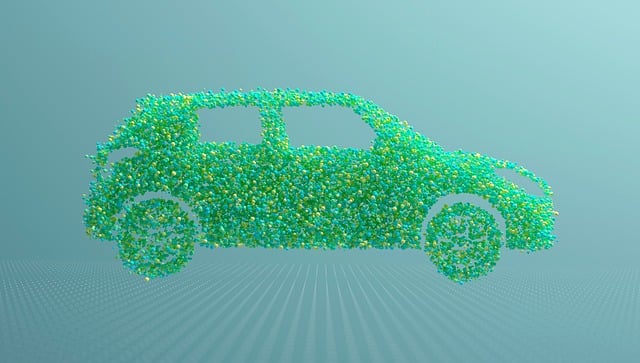
The need for affordable electric buses is more pressing than ever as cities around the globe strive to reduce their carbon footprint and improve air quality. Traditional diesel buses are a significant contributor to urban pollution, emitting harmful greenhouse gases and particulate matter that negatively impact public health. In response, many municipalities are turning to electric mobility solutions, recognizing the environmental and economic benefits of green transportation. By adopting affordable electric buses, cities can achieve cleaner, more sustainable urban environments while also enjoying cost savings through reduced fuel and maintenance expenses.
The transition to electric mobility is not just about replacing one fuel source with another; it involves a holistic approach to sustainable transportation planning for urban development. This includes the integration of hybrid trucks for heavy-duty transportation in hard-to-reach areas, ensuring that the overall transportation network remains efficient and effective while transitioning to cleaner energy sources. Additionally, consumers are increasingly demanding eco-friendly options, leading to innovations such as biodegradable car waxes and polishes, and even biodegradable car parts for responsible consumers who prioritize environmental stewardship. For example, some automakers are now offering green sports cars that deliver thrilling driving experiences without compromising sustainability.
Selecting sustainable vehicles naturally is not merely a trend; it’s a necessary step towards creating more livable and resilient cities. Urban planners and transportation authorities must consider the full lifecycle cost of vehicle choices, including production, operation, and disposal. This strategic approach ensures that the benefits of electric buses extend beyond initial cost savings to include long-term environmental and economic sustainability. By embracing these advancements, cities can lead by example in the global fight against climate change while enhancing the quality of life for their residents through cleaner, more efficient transportation options.
Benefits of Adopting Sustainable Transportation

The adoption of sustainable transportation, particularly through affordable electric buses, offers a multitude of benefits for both urban environments and remote communities. By Select Sustainable Vehicles naturally, cities can significantly reduce their carbon footprint while enhancing air quality and public health. Electric buses, powered by renewable energy sources like solar-powered chargers for electric vehicles, contribute to a cleaner, greener future. For instance, a study shows that transitioning to electric public transport can decrease greenhouse gas emissions by up to 50% compared to traditional diesel buses.
Moreover, sustainable transportation solutions extend beyond urban centers. Community car-sharing programs and off-grid electric vehicles for remote areas play a crucial role in promoting environmental stewardship and accessibility. These initiatives not only reduce the demand for individual vehicle ownership but also foster community engagement and self-reliance. For example, cities like Paris have successfully implemented car-sharing programs that encourage residents to opt for more eco-friendly modes of transport, leading to decreased traffic congestion and noise pollution.
Another significant advantage is the cost-effectiveness and convenience it offers. Reusable water bottles for hydration on the go further enhance sustainability, reducing waste from disposable packaging. By integrating these practices into daily routines, individuals contribute to a broader movement towards a more sustainable future. For instance, companies like Tesla have pioneered off-grid electric vehicles capable of operating independently in remote locations, providing power and mobility solutions where traditional infrastructure is limited.
In conclusion, the benefits of adopting affordable electric buses and sustainable transportation practices are clear. From improved air quality to cost savings and enhanced community resilience, these initiatives not only protect our environment but also improve the overall quality of life. As technology advances and more eco-friendly options become available, such as solar-powered chargers for electric vehicles, the transition to sustainable transportation becomes increasingly feasible and desirable.
Selecting the Right Electric Bus Models

Selecting the right electric bus models is a strategic decision that drives sustainable transportation planning for urban development. As cities increasingly adopt low-emission zones in major metropolitan areas, choosing environmentally friendly public transport becomes paramount. For instance, Europe’s ambitious target to reduce greenhouse gas emissions by 55% by 2030 underscores the urgency of transitioning to electric mobility.
When considering electric buses, it’s crucial to balance performance with affordability. Hybrid SUVs designed for off-road adventures, while powerful, may not be suitable for urban public transport networks. Conversely, purely electric models offer efficient, clean operation but necessitate careful consideration of range and charging infrastructure. For instance, the Proterra ZX5 battery-electric bus boasts an impressive 350-mile range on a single charge, making it ideal for comprehensive city coverage.
Additionally, focusing on sustainable transportation planning involves exploring options beyond vehicle type. Biodegradable car waxes and polishes can enhance the life cycle sustainability of buses by protecting their exteriors from environmental damage. Integrating these eco-friendly practices alongside the selection of green vehicles contributes to a holistic approach to reducing environmental impact.
Actionable advice for selecting sustainable vehicles naturally includes evaluating fleet needs, researching available models based on specific requirements, and consulting with industry experts. Engaging with manufacturers who offer tailored solutions and robust support ensures that your electric bus investment aligns with both budget and sustainability goals. Embracing these strategies fosters a transition towards cleaner, more efficient urban mobility, contributing to the overall health and resilience of our cities.
Implementing and Scaling Affordable EV Solutions Naturally

Implementing and Scaling Affordable EV Solutions Naturally
The transition to affordable electric buses is not just a technological imperative; it’s a strategic move towards sustainable transportation that offers tangible benefits for communities worldwide. To achieve this scaling effectively, we must consider a holistic approach that intertwines vehicle selection, innovative fuel solutions, and compelling incentives. One natural step forward is selecting sustainable vehicles that prioritize environmental impact alongside cost-effectiveness. Electric school buses, for instance, are transforming learning environments by reducing noise pollution and offering safer, cleaner air for students. According to the U.S. Department of Energy, replacing traditional diesel buses with electric models can cut greenhouse gas emissions by up to 50%.
Moreover, exploring alternative fuel sources like biodiesel produced from algae promises a sustainable solution for heavy-duty vehicles. Algal biodiesel not only reduces dependency on fossil fuels but also offers potential cost savings over conventional diesel, making it an attractive option for fleet operators looking to scale affordable EV solutions. Another promising avenue is the utilization of sustainable shipping containers for cargo transport. Converting these containers into electric or hybrid-powered shuttles can significantly reduce emissions in ports and urban centers, fostering a greener logistics network. For instance, Port of Los Angeles has seen success with its electric shuttle program, which has led to a 50% reduction in port truck emissions.
At the airport, electric shuttles are making inroads, offering cleaner alternatives for passenger transport between terminals. Major airports like London Heathrow have adopted electric bus fleets, contributing to their goal of becoming carbon-neutral by 2050. To incentivize wider adoption among consumers, many governments and municipalities offer green car incentives and rebates for purchasing electric vehicles (EVs). These range from federal tax credits to local cash grants, making EVs more affordable for the average buyer. Studies suggest that consumer demand can be significantly boosted by such initiatives, with a 2022 report indicating that countries with robust EV incentives have seen up to 35% growth in EV sales within two years. Ultimately, natural progress towards widespread adoption of electric buses hinges on integrating these diverse strategies, ensuring cleaner, more sustainable transportation for future generations.
In light of growing urban populations and environmental concerns, the adoption of affordable electric buses is more crucial than ever. The article has underscored several key insights: Firstly, understanding the pressing need for sustainable transportation is imperative. Secondly, electric buses offer significant benefits, from reduced emissions to lower operational costs. When selecting the right models, factors such as range, battery technology, and charging infrastructure must be considered. Ultimately, successfully implementing and scaling affordable EV solutions naturally hinges on strategic decisions, robust infrastructure development, and a commitment to green initiatives. By Select Sustainable Vehicles naturally, cities can not only reduce their carbon footprint but also foster a more livable and economically viable future for all.