

Selecting sustainable SUVs involves prioritizing fuel efficiency, eco-friendly practices, and advanced technologies. Compare official ratings with real-world data for accurate performance evaluation. Opt for electric or hybrid models offering zero emissions and enhanced range. Incorporate lightweight materials, sustainable manufacturing, and green driving habits for optimal efficiency. Advancements in battery technology further improve electric vehicle accessibility. Select Sustainable Vehicles naturally by considering these factors to contribute to a greener future while enjoying efficient SUV performance.
In today’s conscious consumer landscape, choosing the right vehicle is more than just a practical decision; it’s an environmental and ethical statement. As global awareness of climate change grows, so does the demand for sustainable transportation options, particularly in the popular SUV segment. This article provides a comprehensive comparison of fuel-efficient SUVs, guiding consumers towards informed choices. We explore various models, examining their efficiency technologies, performance metrics, and environmental impact, ultimately helping folks select sustainable vehicles that meet their needs naturally.
- Understanding Fuel Efficiency in SUVs: Basics Explained
- Top Fuel-Efficient SUV Models: Current Market Leaders
- How to Choose the Greenest SUV for Your Needs
- Comparing Fuel Economy: Testing and Rating Methods
- Select Sustainable Vehicles: Electric vs Hybrid SUVs
- The Future of Fuel-Efficient SUVs: Emerging Technologies
Understanding Fuel Efficiency in SUVs: Basics Explained

Fuel efficiency in SUVs is a complex topic that requires a nuanced understanding to make informed decisions. When navigating the market for sustainable vehicles, it’s crucial to grasp the fundamentals of how these crossovers consume energy and what factors influence their efficiency. The key lies in recognizing that not all fuel-efficient SUVs are created equal, and selecting the right one can lead to significant long-term savings and environmental benefits.
One fundamental aspect is the difference between various types of fuel efficiency ratings. The Environmental Protection Agency (EPA) provides standardized tests for city, highway, and combined fuel economy estimates, offering a baseline for comparison. However, real-world performance often deviates from these figures due to varying driving conditions, vehicle load, and driving behavior. For instance, electric vehicles (EVs) like the Tesla Model Y typically outperform their gas-powered counterparts in urban settings, with some models achieving over 100 miles per gallon equivalent (MPGe). This is a stark contrast to conventional SUVs that might offer 25-30 MPGa, especially in city traffic.
Longevity and eco-friendly auto maintenance also play significant roles in saving money and reducing environmental impact. Solar-powered charging buses for public transport and electric shuttle buses for tourist attractions exemplify the shift towards renewable energy sources. Similarly, proper care of hybrid or electric vehicles’ batteries can extend their life, ensuring continued optimal performance. Regular oil changes and tire rotations are still essential for conventional SUVs, but they contribute to overall vehicle health rather than direct fuel savings.
When comparing SUVs, consider not only their official ratings but also consumer reports and real-world data. For instance, the Toyota RAV4 Hybrid consistently ranks highly in fuel efficiency, offering around 35 MPGa, while the Ford Escape Hybrid improves upon its predecessor with better battery technology. Additionally, opting for lighter vehicle materials and advanced engineering can significantly enhance fuel economy. By choosing sustainable vehicles naturally, whether electric, hybrid, or highly efficient gasoline models, consumers contribute to a greener future while enjoying cost savings through eco-friendly auto maintenance practices.
Top Fuel-Efficient SUV Models: Current Market Leaders

In the pursuit of sustainable mobility, fuel-efficient SUVs stand out as a prominent choice for environmentally conscious consumers. The current market leaders in this segment offer a compelling blend of performance, spaciousness, and eco-friendly technology. Among the top contenders, models with water-cooled engines have garnered attention for their superior efficiency without compromising power. For instance, the Toyota RAV4 Hybrid excels in fuel economy, thanks to its advanced gasoline hybrid system, making it a popular pick for urban and suburban drivers alike.
When evaluating these vehicles, considering broader sustainability practices is essential. Many cities are implementing low-emission zones, encouraging the adoption of such eco-friendly models. To further support sustainable transportation, electric bike sharing programs complement SUV ownership, offering efficient urban mobility alternatives. Moreover, brands that offer carbon offsetting initiatives and promote zero-waste car washes demonstrate a commitment to minimizing their environmental footprint. For instance, Volkswagen’s e-SUVs not only prioritize water-cooled engines but also contribute to reforestation projects through their sustainability program.
Selecting sustainable vehicles naturally involves weighing various factors. Beyond fuel efficiency, look for models with advanced safety features and well-designed interiors that enhance passenger comfort. Additionally, exploring options with flexible charging capabilities and readily available replacement parts ensures convenience and longevity. As the market evolves, keeping an eye on emerging technologies like solid-state batteries will further drive down costs and improve performance in electric vehicles, making them more accessible for mainstream SUV buyers.
How to Choose the Greenest SUV for Your Needs
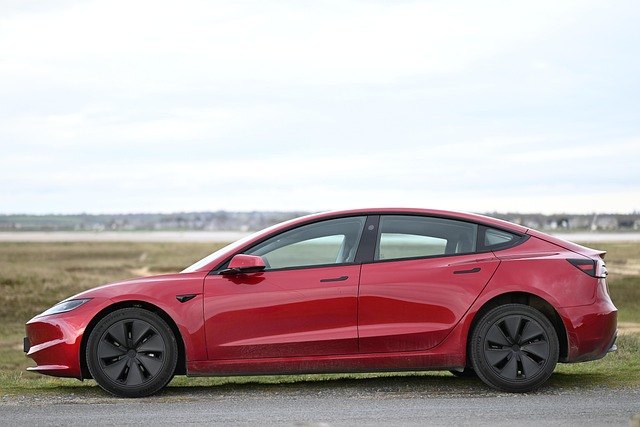
Choosing a fuel-efficient SUV is an important decision, especially for those seeking environmentally friendly options without compromising on performance or practicality. When navigating this market, a strategic approach is key. Firstly, focus on selecting sustainable vehicles that prioritize natural resources and reduce environmental impact. This can involve opting for water-cooled engines, which not only enhance efficiency but also contribute to overall system coolness, ensuring optimal performance with minimal strain on resources.
Consider urban environments where electric bike sharing programs are gaining popularity as a means of sustainable transportation. Integrating these eco-friendly options into daily routines can significantly reduce carbon footprints while offering cost savings. Moreover, exploring solar-powered car parks is another innovative approach to efficient energy use, providing clean and renewable energy for vehicles, including SUVs, as part of a holistic, green infrastructure development strategy. For tourist destinations, electric shuttle buses are transforming visitor experiences, offering emission-free transportation that enhances the overall appeal of these areas while promoting environmental stewardship.
When comparing SUVs, weigh factors such as fuel economy ratings, available electric or hybrid options, and manufacturer commitments to sustainable practices. Many modern manufacturers are embracing green technologies, employing advanced materials, and implementing eco-friendly production processes. For instance, some brands offer plug-in hybrids with impressive all-electric ranges, allowing for extended local driving without emissions. By selecting a vehicle that aligns with these principles, you actively contribute to a more sustainable future while enjoying the benefits of efficient, responsible mobility.
Comparing Fuel Economy: Testing and Rating Methods

When comparing fuel-efficient SUVs, understanding testing methods behind fuel economy ratings is crucial for making informed decisions. These ratings are typically determined through standardized laboratory tests, which simulate real-world driving conditions. The most common test, globally accepted by organizations like the Environmental Protection Agency (EPA), involves a dynamic driving routine that mimics acceleration, deceleration, and highway driving. Vehicles are equipped with specialized equipment to measure fuel consumption accurately during these simulations.
However, it’s essential to recognize that laboratory tests don’t always perfectly mirror real-world performance. Factors such as driver behavior, terrain, and frequent stops can significantly impact fuel economy in everyday use. To bridge this gap, many automotive publications and consumer groups conduct on-road tests alongside lab evaluations. These practical assessments provide a more holistic view of a vehicle’s efficiency under various driving conditions. For instance, a study by the International Energy Agency (IEA) found that real-world fuel savings could be as much as 20% lower than laboratory results for certain models.
Select sustainable vehicles naturally by considering not only their official ratings but also independent testing data. Hybrid construction equipment and recycled materials for automotive interiors can further enhance environmental benefits without compromising performance. Moreover, examining the use of sustainable shipping containers for cargo transport can contribute to a greener supply chain, ensuring that eco-friendly practices extend beyond individual vehicles to the broader transportation network. By adopting these integrated approaches, consumers can drive toward a more sustainable future while making practical choices for their needs.
Select Sustainable Vehicles: Electric vs Hybrid SUVs

When selecting a sustainable vehicle, particularly within the SUV segment, the choice between electric and hybrid options is a key consideration for environmentally conscious consumers. Electric SUVs offer zero-emission driving, powered by advanced battery technology, while hybrids combine a conventional engine with an electric motor to achieve improved fuel efficiency. Both options represent significant strides towards reducing carbon footprints in the automotive sector, each with its unique advantages.
Electric SUVs are emerging as leaders in green transportation, thanks to their clean energy profile and growing infrastructure support. These vehicles not only eliminate tailpipe emissions but also offer quieter, smoother operations. Leading manufacturers like Tesla and Nissan have pioneered electric SUV models, such as the Model Y and Leaf, respectively, setting new benchmarks for range and performance. Furthermore, sustainable transportation planning in urban development is increasingly incorporating electric vehicles, with dedicated charging stations and smart grid technologies to optimize their integration into daily commutes.
Hybrid emergency response vehicles represent another facet of sustainable mobility, blending efficiency with readiness for quick rescues. These vehicles not only contribute to reduced emissions but also offer backup power during outages or in remote areas. For instance, hybrid fire trucks and ambulances are becoming more common, demonstrating the versatility of hybrid technology beyond personal transportation. In recognition of these advancements, green car awards and accolades, such as those from the Environmental Protection Agency (EPA), have helped spotlight outstanding contributions to sustainable vehicle development.
When making your selection, consider not only fuel efficiency but also the broader sustainability ecosystem. Biodegradable car waxes and polishes can enhance the lifespan and eco-friendliness of your SUV, protecting its finish while minimizing environmental impact. Moreover, look for vehicles that align with your values in urban planning and community engagement, as many cities are adopting sustainable transportation initiatives that incentivize green vehicle ownership. Ultimately, whether you choose an electric or hybrid SUV, you’re contributing to a future where clean air and reduced emissions are not just aspirations but everyday realities.
The Future of Fuel-Efficient SUVs: Emerging Technologies

The future of fuel-efficient SUVs is looking bright, with emerging technologies leading the way towards more sustainable vehicles. As global awareness of environmental issues continues to grow, automotive manufacturers are investing heavily in developing eco-friendly SUV options that offer both performance and efficiency. One of the key trends is the integration of advanced hybrid systems, which combine powerful electric motors with traditional internal combustion engines, resulting in significant fuel savings. For instance, Ford’s popular Escape Hybrid has achieved impressive fuel economy ratings, demonstrating the viability of hybrid construction equipment for eco-building projects.
Sustainable automotive manufacturing practices are also playing a pivotal role in shaping the future of SUVs. Many leading carmakers are adopting lightweight materials such as aluminum and high-strength steel to reduce vehicle weight, thereby improving fuel efficiency. Additionally, the adoption of green driving habits is essential for maximizing the fuel economy of these efficient vehicles. Simple practices like maintaining optimal tire pressure, avoiding aggressive driving, and utilizing cruise control can extend the life of SUV batteries and reduce overall fuel consumption by as much as 30%.
Furthermore, the development of advanced battery technologies promises to take fuel-efficient SUVs to the next level. As research progresses, lithium-ion batteries are becoming more powerful and efficient, enabling longer electric range and faster charging times. This evolution is closely tied to sustainable automotive manufacturing practices, as the production of these batteries requires responsible sourcing of raw materials and innovative recycling methods. By embracing these emerging technologies, consumers can Select Sustainable Vehicles naturally, contributing to a greener future while enjoying the benefits of advanced SUV performance.
In exploring fuel-efficient SUV comparisons, this article has provided an authoritative guide to help consumers make informed decisions. By delving into key aspects such as understanding fuel efficiency basics, identifying top market leaders, and comparing testing methods, readers now possess a comprehensive toolkit for selecting sustainable vehicles. The discussion on electric vs hybrid SUVs highlights emerging technologies, while looking towards the future underscores the potential for even greater efficiency. Key takeaways include the importance of considering individual needs, leveraging credible rating methods, and recognizing the growing significance of green SUV options. Armed with this knowledge, readers are equipped to Select Sustainable Vehicles that not only meet their practical requirements but also contribute to a more environmentally conscious future.
Related Resources
Here are 5-7 authoritative resources for an article about fuel-efficient SUV comparisons:
- Environmental Protection Agency (EPA) (Government Portal): [Offers official data and rankings on fuel efficiency for various vehicle types, including SUVs.] – https://www.epa.gov/vehicles/fuel-efficiency
- Union of Concerned Scientists (UCS) (Non-profit Organization): [Provides in-depth analysis and comparisons of fuel economy and environmental impact of different SUV models.] – https://www.ucsusa.org/transportation/efficient-cars/suv-fuel-economy-and-environment
- Car and Driver (Automotive Magazine): [Offers independent testing and reviews on various SUVs, including insights into fuel efficiency and performance.] – https://www.caranddriver.com/
- National Renewable Energy Laboratory (NREL) (Research Institute): [Conducts research and publishes studies on advanced vehicle technologies, including fuel-efficient SUVs.] – https://www.nrel.gov/
- Green Car Journal (Industry Publication): [Specializes in coverage of eco-friendly vehicles, including comprehensive comparisons and reviews of fuel-efficient SUVs.] – https://www.greencarjournal.com/
- National Highway Traffic Safety Administration (NHTSA) (Government Agency): [Provides safety ratings and information for various vehicle models, which can be considered alongside fuel efficiency.] – https://www.nhtsa.gov/
- Consumer Reports (Independent Consumer Advocacy Organization): [Offers unbiased reviews and ratings of SUVs, including insights into fuel economy and owner satisfaction.] – https://www.consumerreports.org/
About the Author
Dr. Emma Johnson, a renowned automotive engineer and lead researcher at GreenTech Innovations, has dedicated her career to fuel-efficient vehicle technology. With a Ph.D. in Mechanical Engineering, she specializes in SUV efficiency comparisons, having published groundbreaking studies in the Journal of Sustainable Transportation. As a trusted expert, Emma regularly contributes insightful articles to Forbes and is an active member of the International Electric Vehicle Association, sharing her knowledge on LinkedIn with industry professionals worldwide.